March 20, 2026
BlogWindows 11 To Get a 2026 AI Tax Break

Pavan Davuluri, executive vice president, Windows + Devices, has declared new priorities for Windows development in a March 20 letter to the company’s “Insider” beta testers. If the promises pan out, the Windows division and its customer just got an AI tax break. It’s good news for those who manage PCs for large organizations.
The AI tax is the hit every Microsoft product group is taking to promote the company’s AI strategy. Each team has had to devote money, engineers and screen space to create AI features, often promoted by in-app ads. Microsoft believes these kinds of additions help show investors that Microsoft’s massive investments in AI data centers and software has a path to breakeven.
The tax landed hard on the Windows team. What people actually want out of Windows is performance, reliability, and the OS to just get out of their way, providing fast access to their own apps and data.
Two events at the start of 2026 might have pushed the Windows org to finally do the right thing:
1. A very bad Windows update broke numerous PCs and required a recall – twice. This just reinforced users’ perception that Windows 11 is still less reliable than Windows 10 was.
2. Financial data came in for the holiday shopping season and confirmed that AI features and Copilot+ PCs did not budge Windows sales on new PCs. AI, like every other “transformative” technology since the Internet, couldn’t move the needle.
Among the quality commitments Davuluri announced:
- Removing unnecessary Copilot additions to Snipping Tool, Photos, Widgets and Notepad
- Reducing the number of forced Windows Updates and giving users more control over their timing
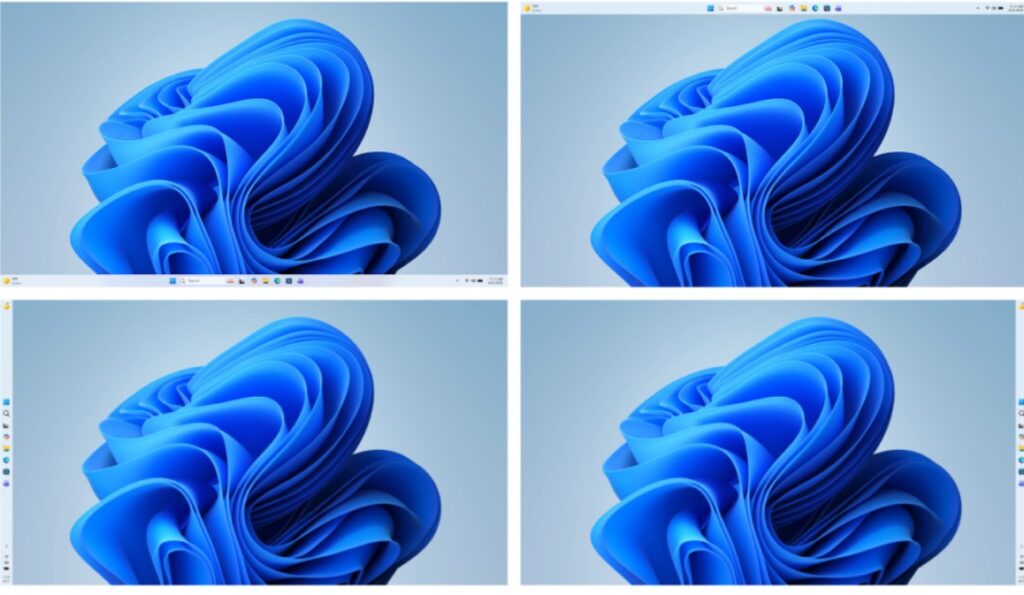
- Providing more taskbar customization permissions
- Making improvements to File Explorer around performance and navigation
- Introducing changes to the Windows Insider test program around channel definition, access to new features, better quality builds
Microsoft will focus on making Windows 11 performance better in a number of areas such as reducing resource usage by Windows; reducing interaction latency; and improving the performance, reliability and integration of the Windows Subsystem for Linux, he said. And it also will improve the reliability of drivers, apps and Windows Hello, Davuluri added.
If Windows + Devices is really allowed to focus on performance, reliability, and software quality over AI flash, anyone managing a PC fleet can hope for a quieter start to 2027 than they got in 2026.