June 2, 2026
BlogBuild 2026: Microsoft Pushes the Agent Envelope with Android Devices, New Windows PCs

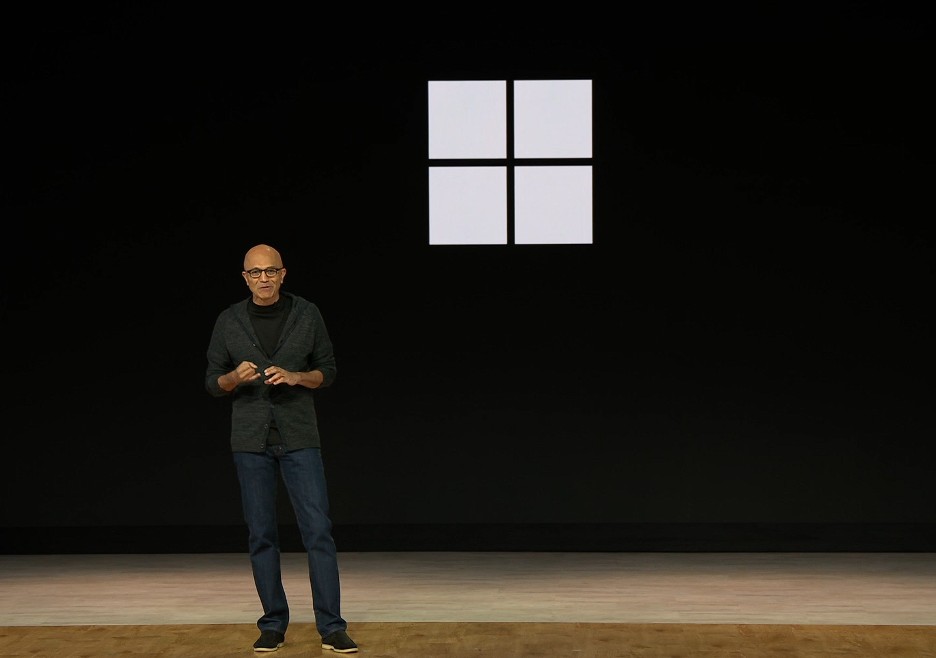
Last year’s Microsoft Build developer conference focused heavily on agents. But this year’s Build, which kicked off June 2, is almost entirely agent-focused.
Microsoft is working to position everything from the Windows OS itself to coming high-end Windows PCs and single-purpose agent devices built on Android as custom-built to enhance customers’ agent experiences and developers’ ability to build them.
Microsoft has been trying — and largely failing — to get customers excited about running AI locally, even though doing so could help cut cloud computing costs. (CEO Satya Nadella said the appeal of this local approach is that it brings “unmetered intelligence” to users.)
Windows Client Improvements In The Pipe
Microsoft’s attempt to make Recall, its searchable visual timeline feature, a reason to buy so-called “Copilot+” PCs stalled after experts warned Recall was a security risk. Microsoft ended up backing away from its Copilot+ PC branding campaign in late 2024 but continued to try to push Foundry Local (the rebranded Copilot runtime) as a compelling capability for developers.
At Build, Microsoft’s updated pitch is that Windows is the best platform for building agents, and not just agents for Windows.
It’s not about “Windows for ‘Windows developers,’” Microsoft says in its Build blog post. It’s “Windows for developers, period.”
Microsoft showed off at Build a new sandboxed agent runtime, new shell and terminal experience, new Windows Subsystem for Linux containers, and other Windows features it is counting on to attract agent/AI developers. Coreutils for Windows, which is a set of Linux-like command line utilities that run natively on Windows is now generally available, as well.
New High-End ARM-Based Windows PCs and New Dev Box On Tap
Just ahead of Build — at Computex on May 31 — Microsoft and Nvidia made announcements around Nvidia’s coming RTX Spark chip, which will power a new wave of high-end Windows PCs from Microsoft, ASUS, Dell, HP, Lenovo and MSI starting this fall. RTX Spark is an ARM-based integrated chip targeted at the same market that Apple targets with their Pro and Max Apple Silicon chip, although Nvidia also took pains to emphasize RTX Spark’s gaming credentials.
Microsoft showed off an early version of the coming Surface Laptop Ultra, its MacBook Pro competitor built on RTX Spark that is due this fall but provided no pricing and no full spec list. At Build, officials also announced there also will be a Surface RTX Spark Dev Box, designed for sustained workloads, long-running training, and agentic AI jobs, available later this year in the U.S. (orderable via Microsoft.com/devbox for some as-yet-unknown price).
While users can already run agents locally on certain Windows PCs, Microsoft is positioning the coming RTX Spark PCs as providing a more secure Windows platform for on-device agents. Details as to how these enhancements will show up in Windows 11 are vague, but Microsoft is promising to add new “Windows primitives” that will provide built-in identity, isolation and governance capabilities designed to make developing, testing, and running agents locally on Windows devices a better and safer task.
Android-Based Agent-First Devices; Private Pilot Coming Up
During the June 2 Build keynote, Microsoft also showed off some proof-of-concept enterprise-focused devices that it is developing as part of its “Project Solara” agent-first device platform. Microsoft is working with silicon partners on Android Open Source Project (AOSP)-based devices that could be tailored for healthcare, retail and financial customers.
Officials showed off a wearable badge concept device that could be used by information workers, frontline workers, nurses or anyone needing secure access to a space. The badge could provide users with a glanceable Priority Agent or the existing Microsoft Facilitator agent to record a hallway conversation. Microsoft also showed off a “desk concept” device (that’s similar to a standalone speaker) that would allow users to access their PCs/monitors and Windows 365 clients via voice.
Microsoft is planning a private pilot of the agent-first devices with AccuWeather, Best Buy, CVS, Levi’s, and Target “in the coming months,” officials said. And it is planning to work with silicon partners including MediaTek, Qualcomm, and others, on building a range of devices, officials said.
Clawing Ahead With OpenClaw
At Build, Microsoft took the wraps off the software development kit for the Microsoft Execution Containers (MXC) agent-native runtime, which is now in preview. MXC will give developers and admins an enterprise-grade sandboxed environment for agents, enforced by Windows everywhere that agents run.
Agent 365 native integration with MXC — which Microsoft says will bring Defender, Entra, Intune and Purview protections — to secure local agents and reduce risk, will be in preview in July. The MXC technology is now being used by OpenClaw on Windows, and Nvidia’s OpenShell runtime for Windows will be built on MXC, and includes policy management, inference routing and other features for agent developers.
On the topic of OpenClaw, Microsoft also is moving ahead with productizing an OpenClaw-based skunkworks project that has been in the works for a couple of months under the name “Microsoft Scout.” Scout, a personal assistant, meant to work across work data in Teams, SharePoint, OneDrive and more, with built-in enterprise-grade security controls. Scout has been in testing inside Microsoft since May; Microsoft now is opening a preview to those in the Frontier experimental channel.
Microsoft officials said Scout is the first of a category of agents it’s calling “Autopilots.” Autopilots are always-on agents that can work autonomously and have their own identities, so they can act on users’ behalf in the background, without needing to be prompted each time.
Microsoft also announced some new and updated Microsoft-built AI models, including its first reasoning model, known as MAI-Thinking-1, which Microsoft claims will come at a low-token cost. Officials said it was built “from the ground up on clean data, without distillation from third-party frontier models.” It’s available now to “select early partners.” And it unveiled a new GitHub Copilot desktop app (in preview), which it is pushing as being perfect for agentic development.